In the Asia-Pacific region, how to choose the Asian Taiwan server to obtain the best response speed for competitive games is one of the key decisions. This article analyzes the main factors that affect response speed from a professional perspective, covering measurement indicators, server node selection, ISP routing and local optimization suggestions, to help players make more reliable judgments and adjustments.
Geographical proximity and network interconnection quality directly affect the competitive gaming experience. Choosing a Taiwanese server can often shorten the physical path and reduce cross-border hops, but the key lies in the server's interconnection relationship with local operators and the presence of quality exchange points, which determine actual latency and stability.
Response speed is not only latency, but also packet loss rate and jitter. Low latency facilitates instant interactions, while low packet loss and stable jitter ensure data integrity. Insufficient bandwidth will affect download/package replenishment performance, but competitive scenarios rely more on the stability of latency and packet loss.
When selecting a server, you should pay attention to the connection quality between the data center where it is located and the backbone network. Prioritize nodes that have direct connections or good peering relationships with local operators, and pay attention to whether there are multiple nodes for backup so that stable response can be maintained during peak times or failures.
International egress paths and peering strategies vary significantly between ISPs. Players should observe the hop count and transit nodes of the Taiwan path through tools such as traceroute, and choose a service provider that can provide shorter and more stable routes or adjust the exit node as a priority.
In addition to server selection, client settings also affect response speed. It is recommended to use a wired connection, close background programs that occupy bandwidth, optimize router QoS and DNS configurations, and ensure that network device firmware and drivers are up to date to reduce local latency fluctuations.
Compare the performance of different Taiwanese nodes through ping, traceroute, continuous packet loss testing and long-term delay monitoring. Record data during peak and off-peak hours, and combine it with in-game experience to determine which server performs the most robustly in your network environment.
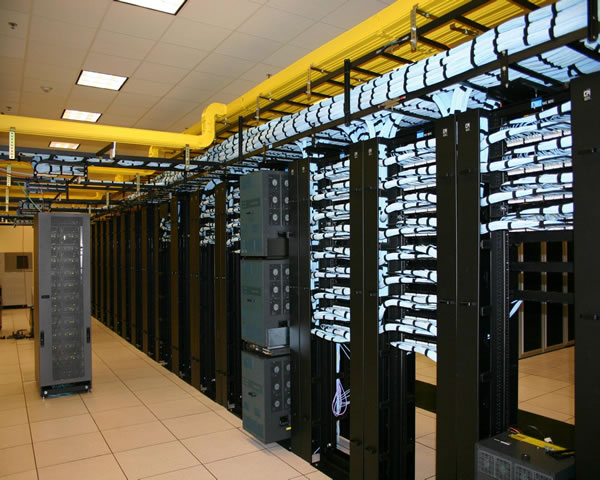
Suggestions: 1) List the optional Taiwan nodes; 2) Use tools to test latency and packet loss; 3) Compare performance in different time periods; 4) Consider ISP routing and direct connectivity; 5) Optimize cable and QoS locally. Make your final choice based on this data and experience.
Summary: To choose the Asian server Taiwan server to obtain the best response speed for competitive games, you should consider the geographical location, node interconnection, routing quality and local optimization results. Through system testing and continuous monitoring, you can more objectively determine which server performs best under your network conditions, thereby improving competitive stability.
- Latest articles
- Popular tags
-

Community Discussion: Selected Shining Nikki Taiwan Server VR FAQs And Solutions
Community Discussion Selection: Compiling frequently asked questions and solutions about Shining Nikki Taiwan server VR, covering connection, login, latency, image and error code parsing, offering practical troubleshooting and optimization suggestions suitable for players in Taiwan. -

A Must-read For Webmasters: Is Google Cloud Taiwan’s Native Ip An Optimization Strategy Combined With Cdn?
a practical guide for webmasters: analyze the actual situation of "is google cloud taiwan a native ip?" and provide network architecture, caching, dns, seo and monitoring optimization strategies combined with cdn to help improve the access experience and search performance in taiwan. -

Is The Cost Of Native Ip In Taiwan High? Market Status Analysis
this article provides an in-depth analysis of the cost and market status of native ip in taiwan, and explores its value and future development trends.